US President Donald Trump addressed overnight on Sunday the possibility of an additional military strike in Iran, claiming the United States is capable of hitting what remains of the Iranian nuclear program “in just ten minutes.”
“There are ‘one or two sites’ left that need to be dealt with, including Pickaxe Mountain. We can do it in ten minutes. We have a plan for it, and we can execute it very quickly,” the president said.
Referring to negotiations with Iran, Trump later said, “They want to reach an agreement, and we will see what happens. Things are moving along fine, but they are not really reliable. They reach an agreement and then back out. They want to reach an agreement, and we will see if they actually sign it.”
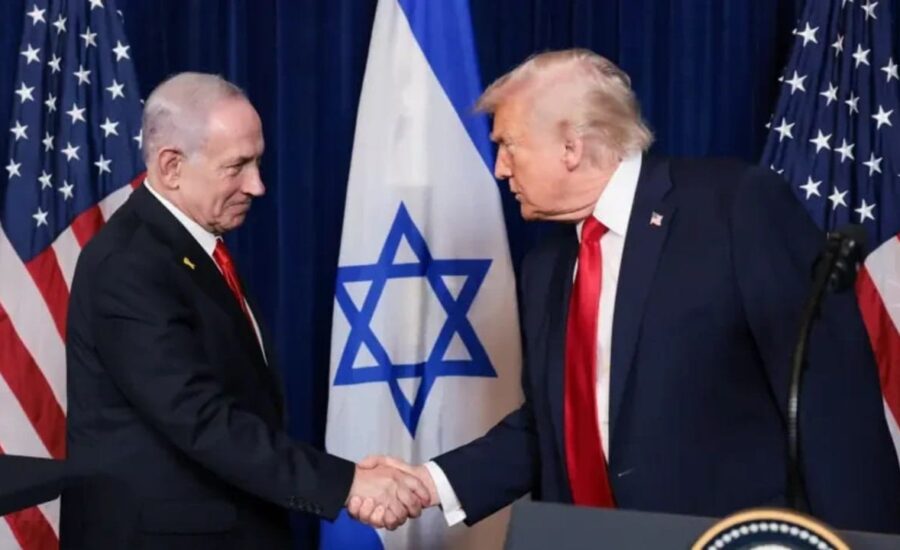
Hours earlier, Trump spoke by phone with Prime Minister Benjamin Netanyahu, as the United States prepares to resume strikes on Iran, according to a report in the Wall Street Journal.
The call took place after Trump discussed options for resuming military operations with senior military commanders, including a meeting with CENTCOM commander Admiral Brad Cooper, Defense Secretary Pete Hegseth, and Chairman of the Joint Chiefs of Staff General Dan Caine.
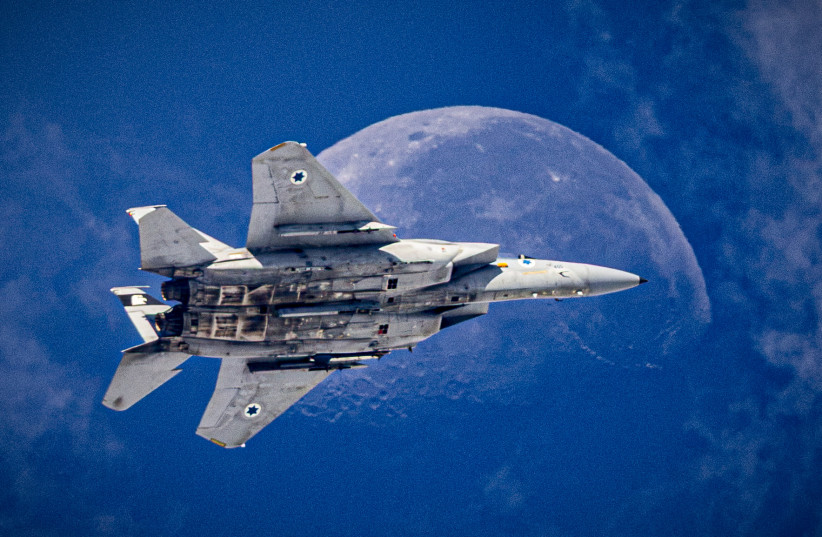
US, Israel posture for strikes, but war unlikely to occur before midterm elections
According to previous reports, the Pentagon reinforced air defense systems, ammunition, and military equipment in the Middle East in recent weeks, while simultaneously repositioning forces from bases that could be vulnerable to an Iranian retaliatory attack.
The timing is particularly sensitive politically. Trump is in the final stretch of the campaign for the congressional midterm elections, which will take place this Tuesday, November 3.
The war with Iran and rising fuel prices in the United States weigh heavily on Republicans, and the president seeks to bolster support for his party in the final days of the campaign.
As such, the United States has reportedly been pushing back the timeline for war with Iran, with the latter itself reportedly deliberately prolonging negotiations ahead of the US midterm elections.
Defense officials assess that despite preparations by CENTCOM and Israel for a strike on Iran, the White House will not order an operation against the Islamic regime before the elections take place unless it detects preparations for a surprise attack.
Israel’s defense establishment has remained ambiguous regarding preparations for a possible escalation with Iran, as the White House attempted to offer the Iranian regime another opportunity to return to negotiations, according to Israeli defense assessments.
Defense officials assess that the Iranians, who are facing an economic crisis that is worsening from week to week, will not sign an agreement requiring them to completely abandon their nuclear program, and certainly will not agree to stop producing ballistic missiles that now also threaten Europe.
US Air Force aircrafts arrive at IAF bases
Last week, ten US Air Force (USAF) transport aircraft arrived at IAF bases in southern Israel as part of a larger Middle East air convoy transferring military equipment across the region, KAN News reported.
The aircraft, which came from Texas’ Fort Bliss base, are likely stocked with air defense systems intended to protect regional assets amid reported US warnings earlier this week of a potential “short, focused war with Iran,” according to KAN.
Other aircraft in the air convoy landed in Jordan, Qatar, and Saudi Arabia, with the KAN report coming after an earlier report that the US had transferred an additional Patriot system to the region pending a potential escalation with Iran.
An Israeli source told KAN that the US and Israel are closely coordinating on Iran, with reports that an additional US naval aircraft carrier will join American forces in the region, alongside an additional Marine unit.
Two weeks ago, dozens of Israel Air Force fighter jets flew “as far as the Iranian border” before turning around and returning to Israel in a practice sortie, according to an Axios report citing US and Israeli officials.
Tehran: Ready for negotiations, but also for war
Alongside diplomatic signals, Iran recently escalated its threats toward the United States and Israel.
According to an announcement published in Tehran, Supreme Leader Mojtaba Khamenei ordered military commanders to prepare for an immediate and powerful response, without geographical limits, in the event of an additional attack.
Iranian Chief of Staff General Ali Abdollahi warned that his country has expanded its list of potential targets and that another American attack would be met with a broad response. According to him, Iran will be the one to determine the end date of any new war.
Conversely, the US administration continues to stress that it prefers a diplomatic agreement over a strike. US Secretary of State Marco Rubio said today that if Trump wanted to act militarily, he would have done so weeks or months ago, though he clarified that the United States possesses all necessary capabilities for a successful operation.
At this stage, talks with Iran and military preparations are proceeding in parallel. The report of the phone call between Trump and Netanyahu underscores coordination between Washington and Jerusalem, though it remains unclear whether diplomatic contacts will yield an agreement or if the American president will choose to resume strikes following the elections.